
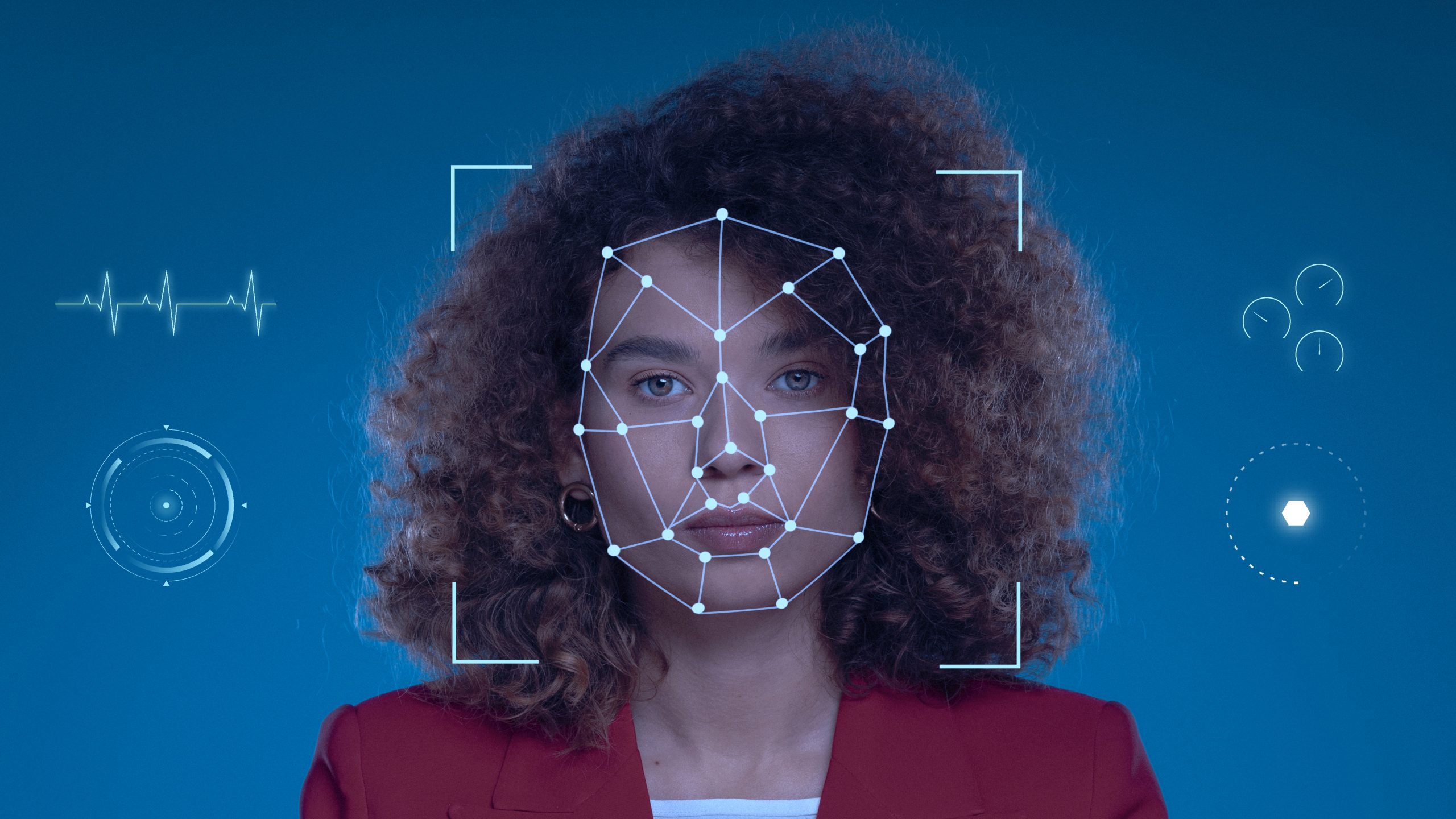
Digital identity is often hailed as a game-changer for inclusive development, enabling access to banking, healthcare, education, and voting. For many in underserved or marginalized communities, a reliable digital identity can mean the difference between being counted and being invisible. But as this technology spreads, so too does concern: can we design identity systems that empower without exploiting?
The promise of digital identity is undeniable, but so are the risks. Between the extremes of inclusion and surveillance lies a critical opportunity: to create digital identity systems that uphold dignity, protect privacy, and drive equitable progress.
The Case for Digital Identity
Globally, nearly 1 billion people have no formal proof of identity. In sub-Saharan Africa alone, over 45% of adults lack foundational ID documents. Without identity, individuals face barriers in accessing basic services, claiming government benefits, or participating in the digital economy.
Digital identity offers a scalable solution. Whether through biometric IDs, mobile-based platforms, or blockchain-powered records, the goal is simple: to give every person a unique, verifiable digital credential that opens doors to opportunity.
Benefits include:
- Access to financial services (e.g., opening a bank account or receiving mobile money)
- Healthcare registration and continuity of care
- Streamlined government disbursements and welfare payments
- Digital learning and credential verification
- Voter authentication and political participation
Inclusion vs. Surveillance: A Global Debate
Despite these advantages, digital identity systems have sparked concern around civil liberties. The fear is that in the name of inclusion, governments and corporations may collect excessive personal data, enable state surveillance, or deepen digital inequality.
Some of the key risks include:
- Mass data collection without clear consent or transparency
- Exclusion due to technical failure or lack of access to technology
- Biometric misuse or data breaches
- State monitoring of marginalized groups (e.g., activists, refugees, minority populations)
These are not hypothetical risks. In India, the Aadhaar system—one of the world’s largest digital ID platforms—has faced legal and ethical scrutiny for linking identity to a vast range of services, with limited opt-out options. In other contexts, surveillance concerns have led to public resistance against facial recognition and biometric tracking.
Designing for Empowerment, Not Control
If digital identity is to fulfill its promise without becoming a tool for oppression, it must be ethically and inclusively designed from the start. Here’s how:
1. Consent-Driven Frameworks: Individuals must understand what data is being collected, how it will be used, and who can access it. Systems should offer clear consent mechanisms, with the ability to opt out of specific uses without losing access to essential services.
2. Minimal and Purpose-Limited Data: The design principle should be: collect only what is necessary. Avoid creating centralized databases filled with redundant or sensitive personal data. Where possible, use decentralized or federated models that reduce risk exposure.
3. Offline and Low-Tech Access: Digital identity should not depend solely on smartphones or internet access. Systems must work in rural areas, offline settings, and across low-literacy populations—ensuring that inclusion doesn’t create new forms of exclusion.
4. Independent Oversight and Accountability: Public trust requires independent governance. Countries or organizations deploying digital ID systems should establish oversight boards that include civil society, privacy advocates, technologists, and user representatives.
5. Interoperability with Strong Data Protection Laws: Digital identity systems should be interoperable across borders and services, but always within the bounds of robust data protection laws. Countries without clear digital rights legislation are at greater risk of misuse.
A Real-World Example: Kenya’s Huduma Namba
In 2019, Kenya launched a national biometric registration system called Huduma Namba. While intended to streamline access to government services, the rollout faced backlash due to the absence of comprehensive data protection laws at the time. Civil rights organizations raised concerns over data misuse and lack of transparency.
Only after pressure from public and legal institutions did the government implement new regulations to address gaps in oversight and clarify the limits of data use. This case illustrates a central truth: technology must not outpace the legal and ethical infrastructure that governs it.
Unlocking Economic Potential Through Inclusion
When done right, digital identity can unlock massive economic opportunity. For instance, the World Bank estimates that countries with robust digital ID systems could see a 3-13% increase in GDP, driven by more efficient service delivery, financial inclusion, and labor market integration.
In Nigeria, digital identity systems linked to BVN (Bank Verification Number) and NIN (National Identity Number) have enabled millions to open bank accounts, receive government subsidies, and participate in the formal economy.
But to replicate these outcomes on a wider scale, governments must invest not only in technology—but also in trust.
What Private Sector and Startups Can Do
It’s not just governments that are responsible for ethical digital identity. Tech startups and private platforms must also:
- Adopt privacy-by-design principles
- Prioritize user agency and transparency
- Avoid over-reliance on sensitive biometrics
- Partner with public and non-profit organizations to test for unintended harm
By treating identity as a human right, not a commercial product, the private sector can help set a new standard for responsible innovation.
The Road Ahead: Centering People in the Identity Conversation
As we build systems to identify people, we must not reduce them to data points. A person’s identity is more than a number—it is a gateway to dignity, rights, and self-determination. The challenge of digital identity isn’t just technical—it’s moral, political, and cultural. And it requires all stakeholders—governments, technologists, civil society, and communities—to work together to get it right. When we center human dignity in the design of our digital systems, we don’t just build better technology—we build a better world.